Aging in place · San Diego

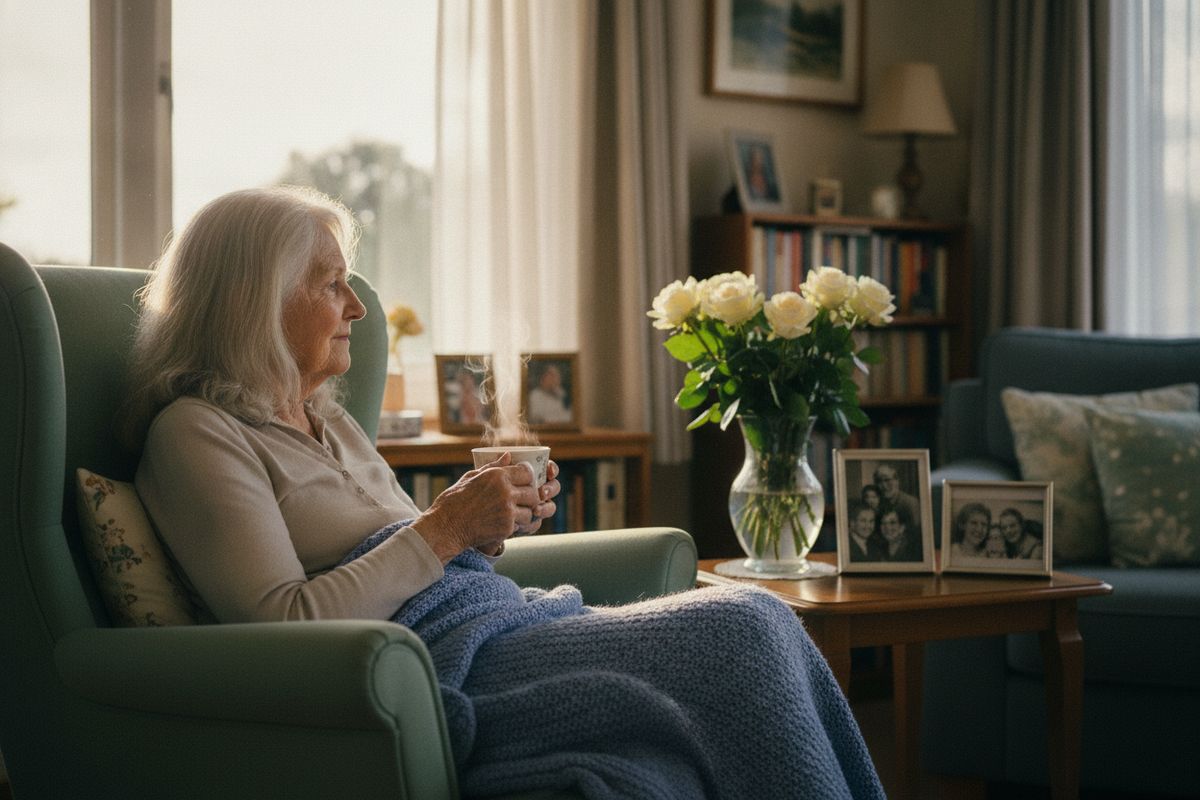
"Mom wants to stay home." Sometimes that's exactly right.

Not every senior needs a community, and an advisor who only profits from placements would never tell you that. Natalie helps families make home safe when home is the right answer, and tells you honestly when it stops being one.

The basics

What does "aging in place" actually take?

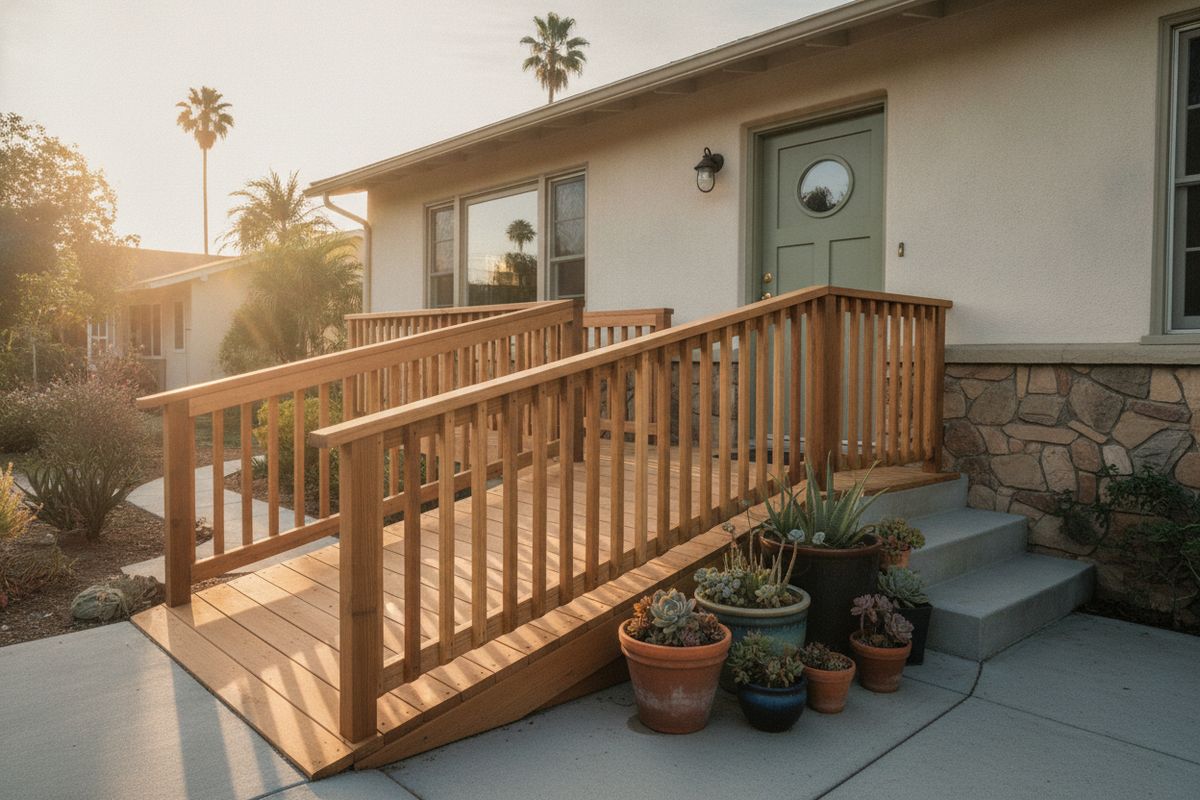
Aging in place means a senior stays in their own home safely with the right support: home modifications (grab bars, ramps, lighting, walk-in showers), daily-living help, and monitoring that alerts family to changes. It works well while care needs are light, and gets expensive and risky as they grow.

What we set up

Making the house work for this chapter

Be honest with yourself

6 signs it may be time to consider a community instead

1

A fall, or a near-miss you didn’t hear about until later

2

Medications missed, doubled, or confused

3

Weight loss, spoiled food, or an empty fridge

4

Wandering, getting lost, or leaving the stove on

5

Isolation, days without seeing another person

6

Your own exhaustion, caregiver burnout is a safety issue for both of you

Two or more of these? It costs nothing to talk through options, that’s a conversation, not a commitment.

“We where really blessed to have Natalie as our agent who helped us find our senior community in San Marcos for and we have been happy here for 2 years!”

, Leonor Renter

Questions about staying home safely

Is aging in place cheaper than assisted living?

Early on, usually yes, modifications plus part-time help often cost less than a community. Once a senior needs many hours of daily care, in-home costs in San Diego frequently pass assisted living prices. The free consultation includes this comparison with real numbers for your situation.

What home modifications matter most for seniors?

Start where falls happen: bathroom (grab bars, walk-in shower, raised toilet), lighting (motion-sensor night paths), floors (remove rugs and cords), and entry (ramp or rail). Most essential packages are modest one-time projects, far cheaper than a single fall’s hospital bill.

How does senior monitoring technology work?

Modern systems learn your parent’s daily routine, sleep, movement, bathroom visits, meals, and alert family when the pattern changes, without cameras invading privacy. It’s the middle ground between daily worry-calls and a move your parent isn’t ready for.

Will you tell us if staying home stops being safe?

Yes, directly and early. Natalie’s RCFE background means she evaluates safety like a licensed administrator, not a salesperson. Families who prepare a community plan before the crisis get better options and calmer moves than families deciding from a hospital hallway.

A plan for now and later

Keep mom home safely, with a plan B ready

Free home-safety conversation. Honest answers about now, and about later.